Story 7 of 7
Women of the Trek
Mothers, fighters, diarists and survivors: the women who made the Trek possible.
History books tend to tell the Great Trek through its leaders and battles. But the Trek was, above all, a migration of families. Women made up roughly half of the Voortrekkers, and without them there would have been no Trek at all. They kept the wagons running as homes, fed and nursed their families across a thousand miles, fought when the laager was attacked, and left some of the most vivid accounts we have.
Home on wheels
For years, the ox wagon was the family home. A woman ran it: packing food, seed and household goods into a space a few feet wide; baking bread in pot ovens over open fires; making soap and candles from animal fat; sewing and mending clothes; and teaching children to read, usually from the Bible. Children were born on the road and, all too often, buried along it. Fever, accidents and exhaustion took many lives, especially in the low country where malaria struck Louis Tregardt’s party.
In the laager
When the wagons were drawn into a laager, a defensive ring, women had a vital role in battle. At Vegkop in 1836 they loaded the muzzle-loading muskets and handed them to the men so fast that a few dozen defenders could keep up a near-constant fire. They cast bullets, cut lead into buckshot and tended the wounded. Similar accounts come from other fights. Some women fired guns themselves.
Weenen
Women and children suffered most in the Zulu attacks on the trek camps along the Bloukrans and Bushman’s rivers on 16–17 February 1838, after the killing of Piet Retief. One widely cited count lists 41 men, 56 women and 185 children among the Voortrekker dead, besides their servants. Among the survivors was Johanna van der Merwe, a girl who lived despite many spear wounds, later described in accounts of the massacre. Tradition also tells of an Italian woman, Teresa Viglione, a trader who is said to have ridden to warn some camps. Historians debate how much of her story can be confirmed.
Voices on paper
Anna Steenkamp, a niece of Piet Retief, kept a record of the Trek that is a key primary source. She described the hardships of the journey and the faith that sustained the families. She also gave a frank account of why many left the Cape, including their objection to freed slaves being placed on an equal footing with Christians. Her words are a reminder that the Voortrekkers were people of their time, with both courage and prejudices.
Susanna Smit, sister of Gerrit Maritz and wife of the trekkers’ minister Erasmus Smit, was a woman of strong opinions. When the British took over Natal in 1843, she reportedly told the British commissioner, Henry Cloete, that the women would rather walk barefoot back over the Drakensberg than submit to British rule. Many did, in effect, just that.
Widows and the promise
Many trek women were left widows. Magdalena de Wet, Piet Retief’s widow, lost her husband and a son at uMgungundlovu. She was among those who contributed toward the Church of the Vow in Pietermaritzburg, completed in 1841, helping to keep the promise made before Blood River. Women also had a voice in community affairs that was unusual for the time; after the British annexation of Natal, they demanded to be heard in the negotiations.
Others on the road
The Trek also included women whose names were rarely written down: Khoikhoi workers, formerly enslaved women and their daughters, who travelled with the trek families, worked alongside them and shared the same dangers. Their stories deserve to be remembered too.
Remembered in stone
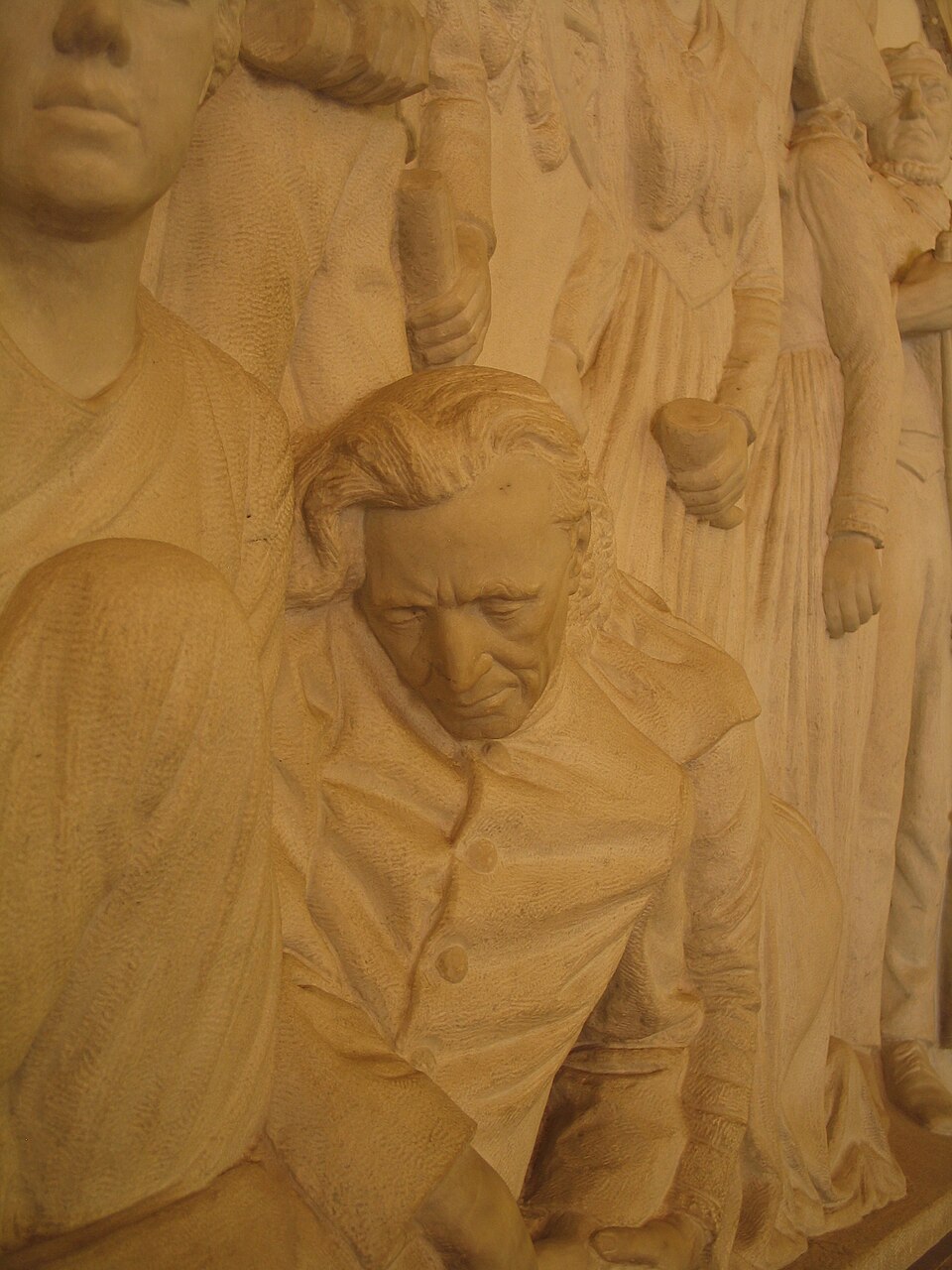
At the entrance to the Voortrekker Monument in Pretoria, opened on 16 December 1949, stands a bronze statue by the sculptor Anton van Wouw of a Voortrekker mother with her two children. It honors the women who carried the Trek’s faith and civilization into the interior. The marble frieze in the monument’s Hall of Heroes also shows women in many of its scenes, loading guns, nursing the wounded and praying.
Sources
- Anna Steenkamp, “Dagboek” (journal), published in Notes and Queries / Voortrekker records; see SAHO: sahistory.org.za
- Henry Cloete, Three Lectures on the Emigration of the Dutch Farmers (1852)
- Voortrekker Monument and Nature Reserve: vtm.org.za
- Hermann Giliomee, The Afrikaners (2003)