Story 5 of 7
A Promise to God
16 December 1838: Blood River and the Vow.
On 16 December 1838, about 470 Afrikaner fighting men inside a ring of ox wagons faced a Zulu army of perhaps 9,000-16,000. A week earlier they had made a vow to God.
I'm an Afrikaner. This is the story of Blood River, and why South Africa remembers it
Picture covered wagons on the African frontier. From about 1835, thousands of Dutch-speaking settlers left the British-ruled Cape Colony: the Great Trek. We call them Voortrekkers ("those who go ahead"). Motives: land, labor, security, and resentment of British rule.
But the interior was not empty. In 1838 Piet Retief's party asked the Zulu king Dingane for land in Natal. On 6 Feb Retief met Dingane at his capital uMgungundlovu to sign an agreement of obtaining land, Retief's party was killed: often said to be ~70 men, likely nearer 100 incl. boys, Khoikhoi servants and an interpreter.
Days later the Zulu impi (army) struck scattered trek camps near a place later named Weenen, Dutch for "weeping" (16/17 Feb 1838). One count: 41 men, 56 women and 185 children, plus about 250 Khoikhoi and Basotho traveling with them. Over 530 dead. Other counts differ.
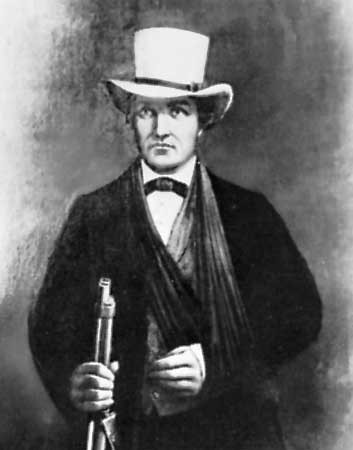
The trekkers turned to Andries Pretorius, a farmer and frontier fighter. Late in 1838 he led a kommando (mounted citizen militia) into Zulu country, later remembered as the Wenkommando ("winning commando"). With him rode Sarel Cilliers, a church elder and lay preacher.
The week before battle came die Gelofte, the Vow. Pretorius's secretary Bantjes wrote that if God gave victory they'd build a church and keep the day "forever" in His honor. Cilliers later recalled a yearly thanksgiving "like a Sabbath."
Sources differ on the date (7 or 9 Dec), wording, and whether it bound later generations; today's recited text is a 1919 reconstruction. The core holds: in mortal danger they put themselves in God's hands and promised to honor Him if spared. Think Puritan covenant.
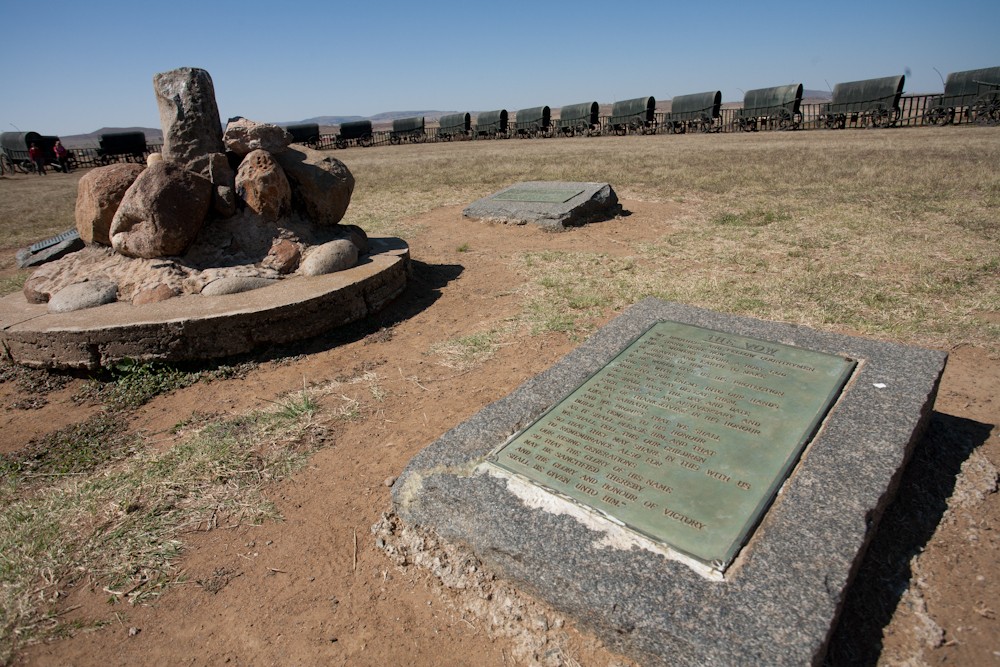
On 15 Dec they formed a laager by the Ncome River: wagons chained in a ring, gaps blocked with thorn branches, rifles firing from cover. Literally circling the wagons. ~464-470 Boers, 57 or 64 wagons, 2 cannons, plus ~600 Khoikhoi and Basotho
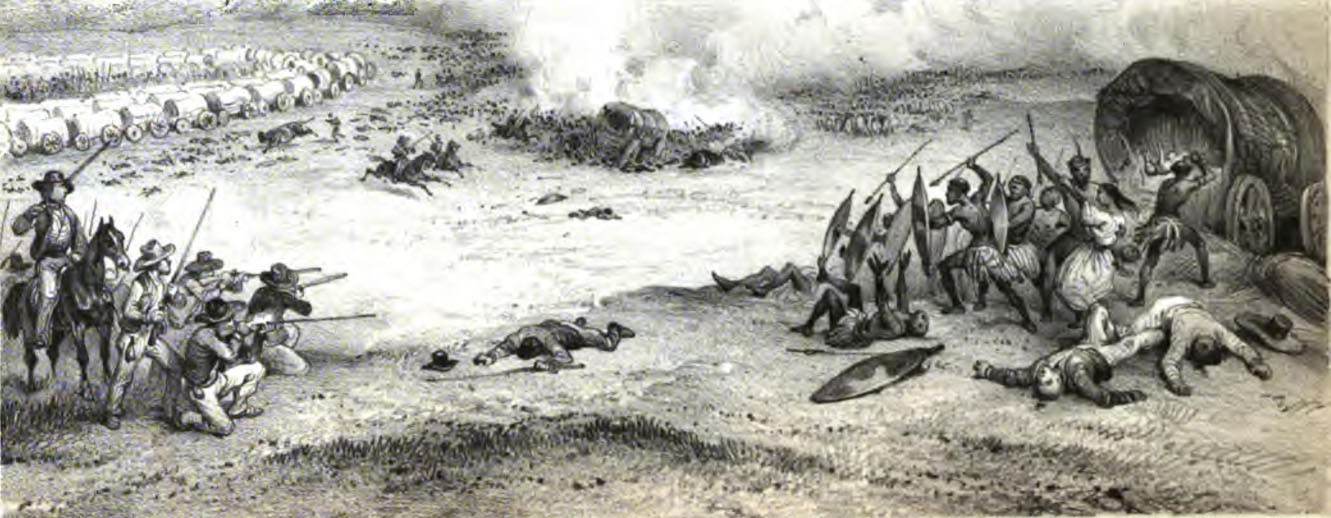
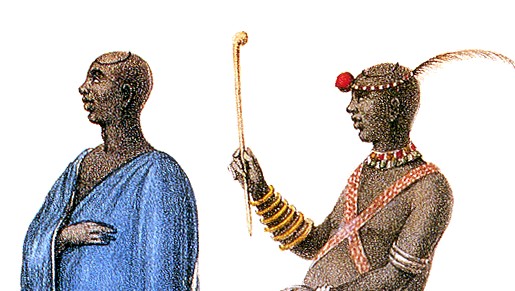
The Zulu army under Ndlela kaSompisi and Dambuza: estimates run 9,000-16,000. At dawn on the 16th, wave after wave broke on the wagons under musket and cannon fire. Then horsemen rode out; the Zulu scattered, pursued for hours.
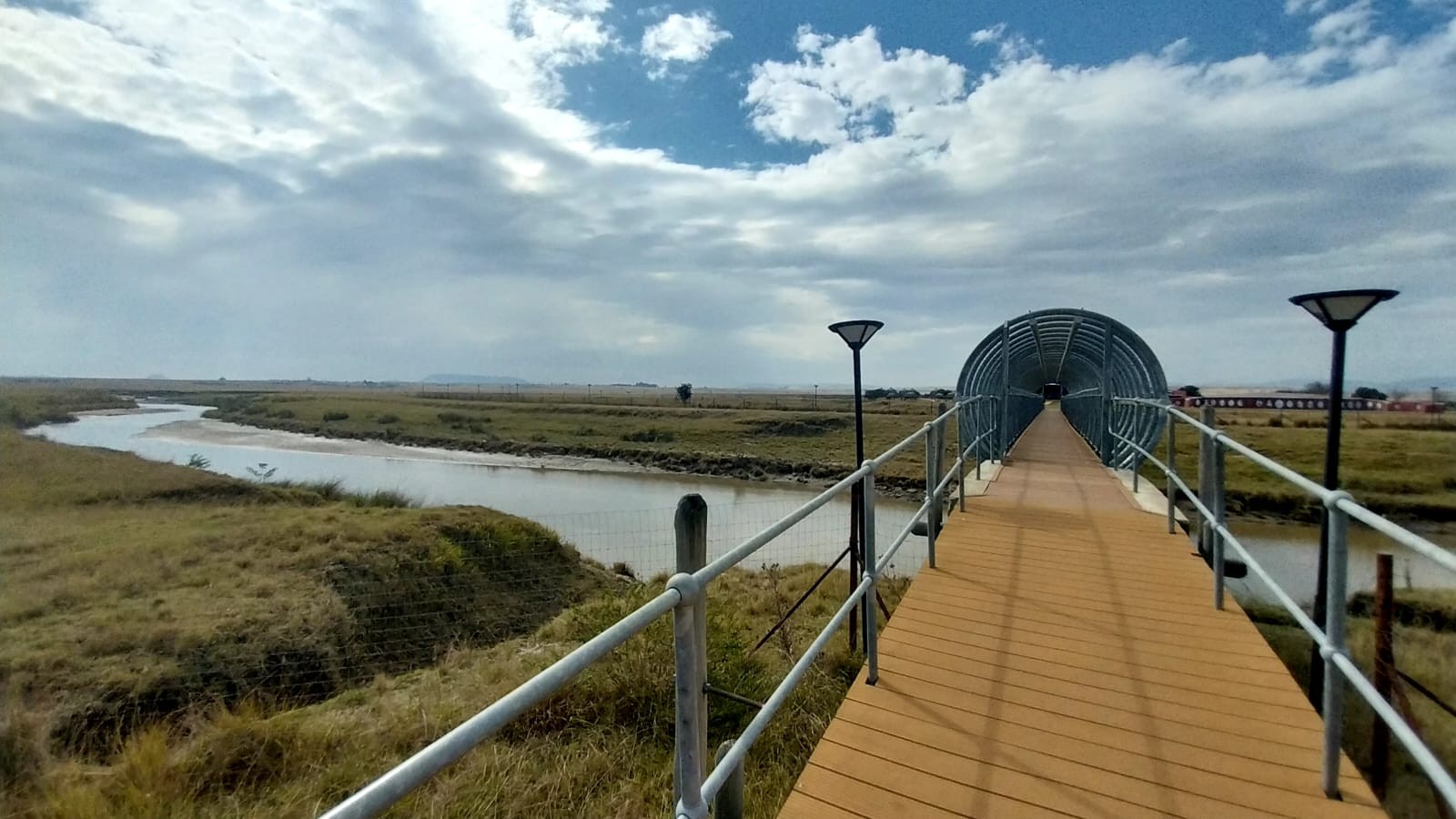
About 3,000 Zulu dead were counted. No Voortrekkers were killed; three were wounded, Pretorius stabbed in the hand by an assegai (spear). The river is said to have run red: Bloedrivier, Blood River. In isiZulu: iMpi yaseNcome. The war went on.
The Afrikaner promise was kept. The Church of the Vow (Geloftekerk) in Pietermaritzburg, funded by the community with Retief's widow among donors, was completed in 1841. Later sold and used as a school, it was bought back and reopened as a museum in 1912.
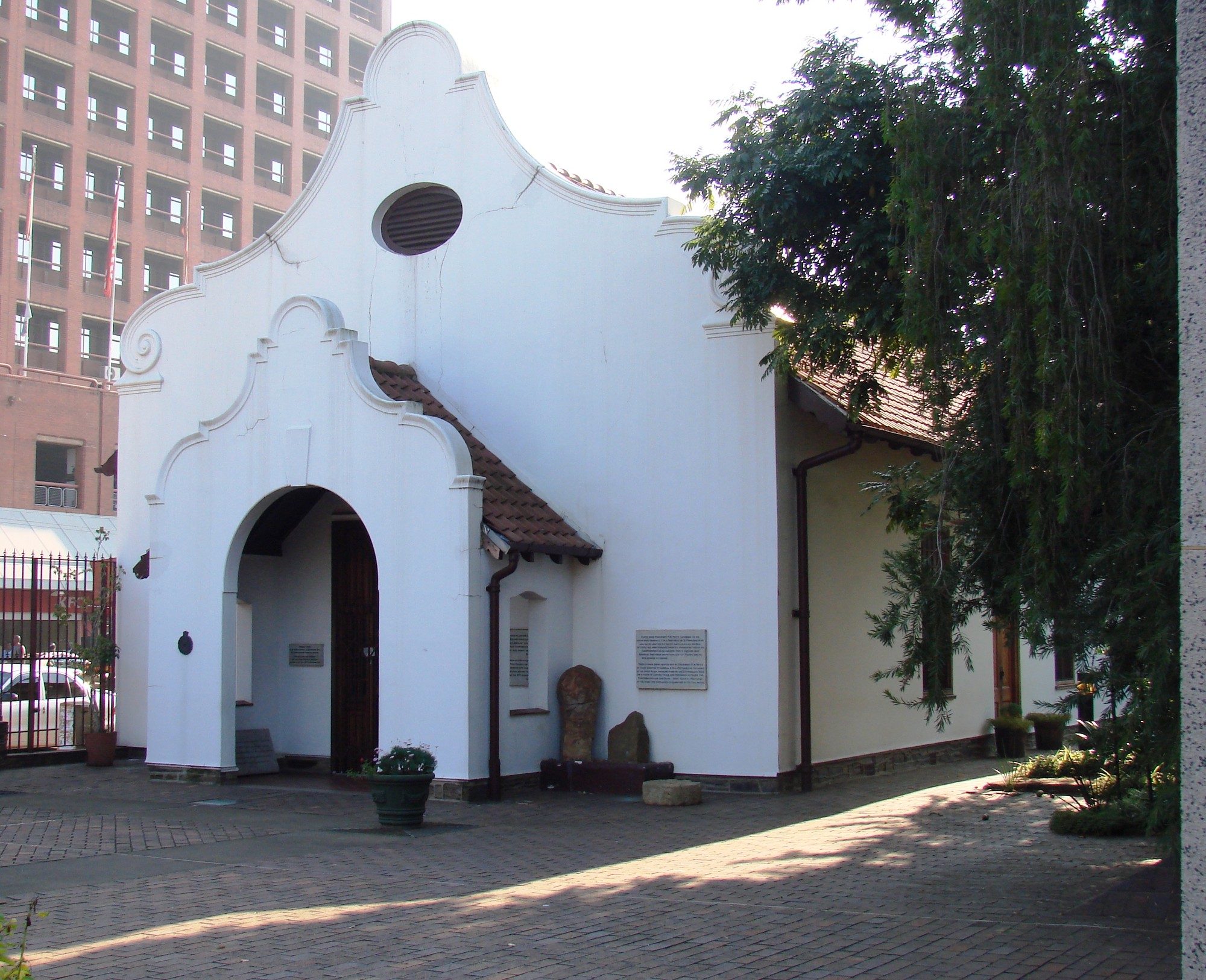
16 Dec became Dingaan's Day (1910), Day of the Covenant (1952), Day of the Vow. The Voortrekker Monument opened on it in 1949.
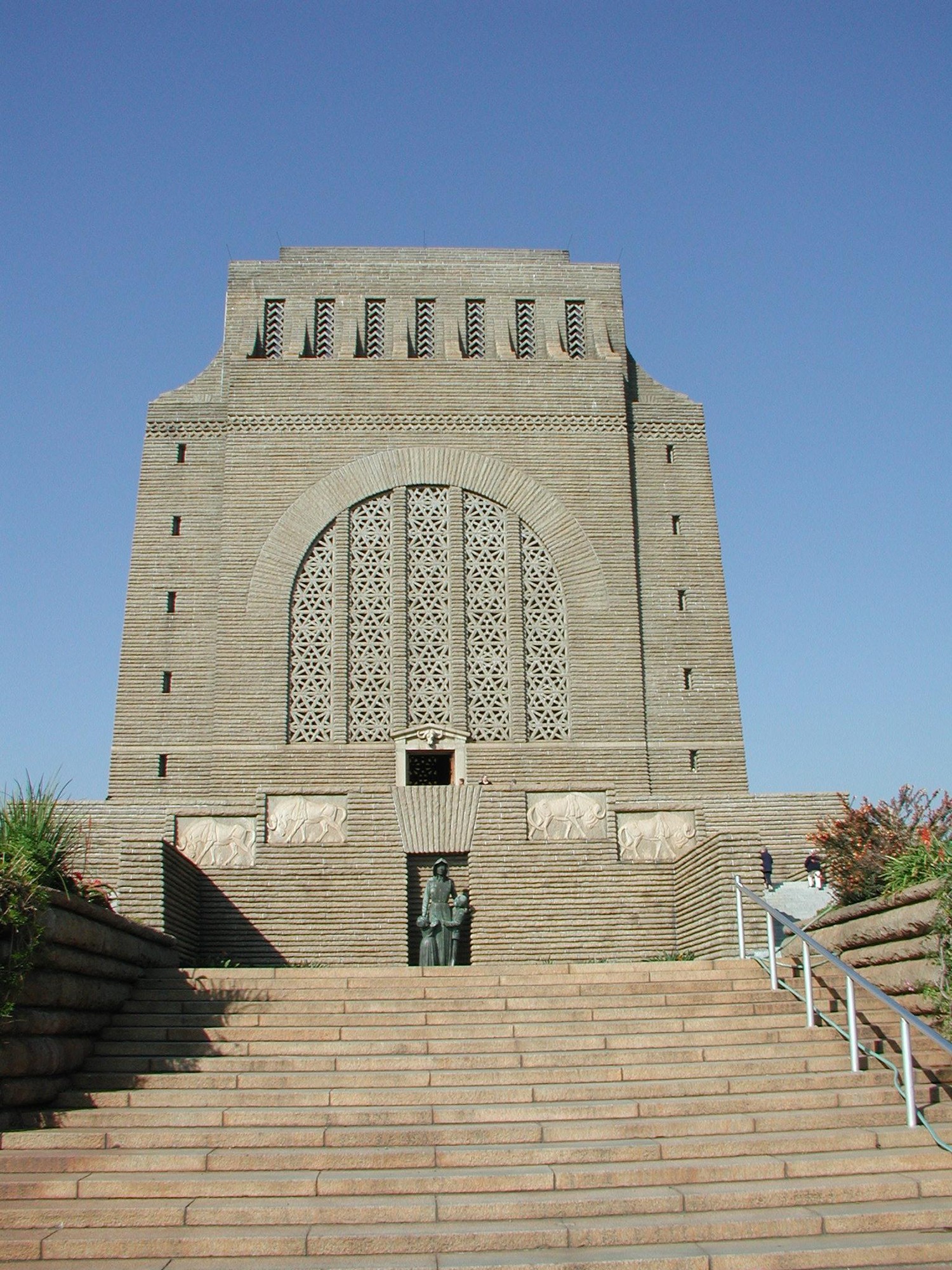
Since 1995, 16 Dec was renamed The Day of Reconciliation, but in the Afrikaner heart it will always be the Day of the VOW, a Promise to God
Key sources:
SAHO, Battle of Blood River https://www.sahistory.org.za/article/battle-blood-river
John Laband, The Boer Invasion of the Zulu Kingdom 1837-1840 (2023)
Ncome Museum https://ncome.co.za/museum/
Respect the faith, tell the whole story. Thanks for reading.
Photo credits: Adulphe Delegorgue (1847), public domain; Allen Francis Gardiner (1836), public domain; Andries Pretorius portrait, artist unknown, public domain; Charldurand / Wikimedia Commons, CC BY-SA 3.0; Riana Mulder / Wikimedia Commons, CC BY-SA 3.0; John Walker, public domain; Mthandeni Patric Mbatha / Wikimedia Commons, CC0.